
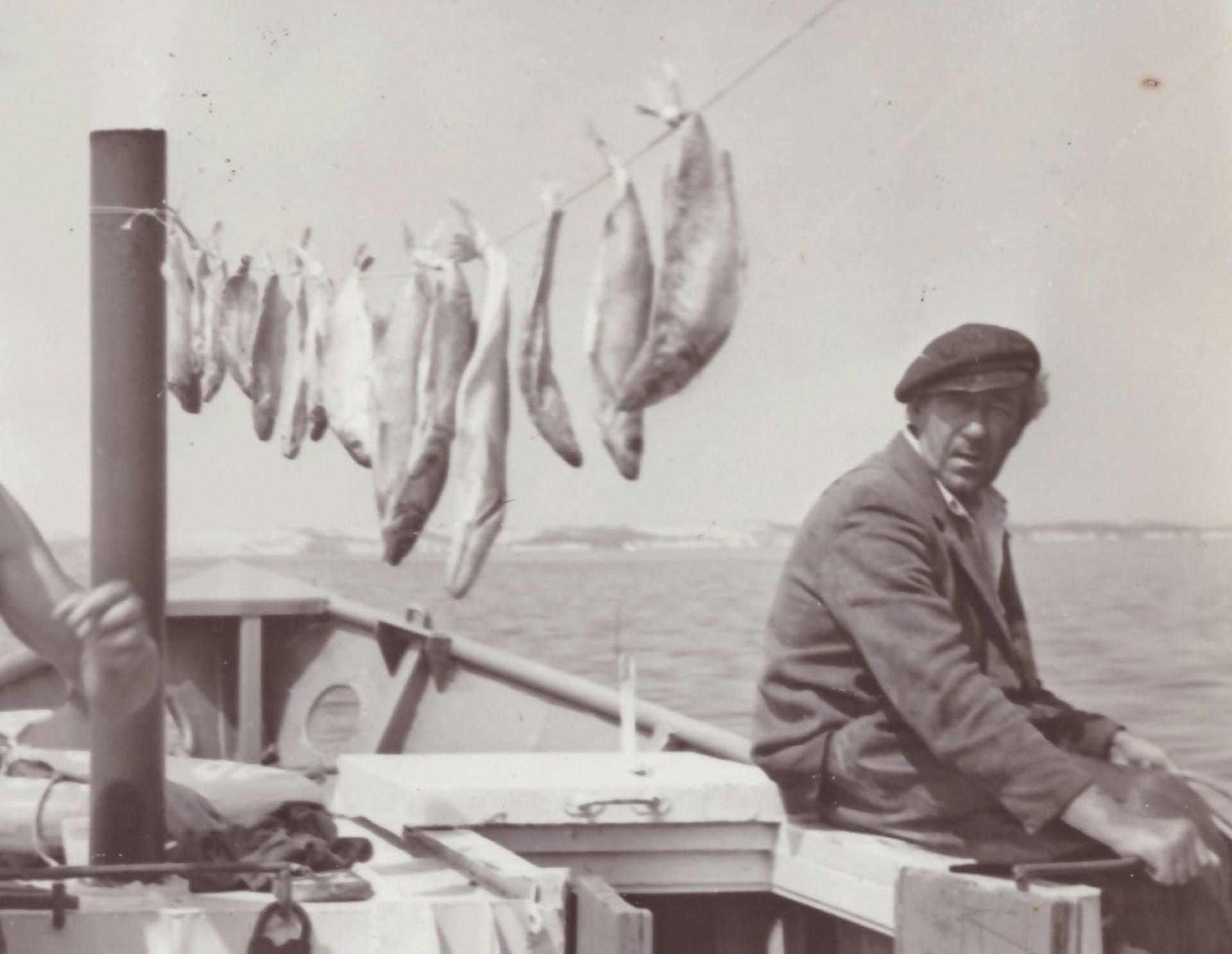
Once you arrive in the Pamario region, you’ll realize that everything here revolves around fish. Since ancient times, it has been a staple of the local diet, and today it is part of the region’s identity—something the local communities are proud of and that tourists have come to love.
The people of the Pamario region say that they used to eat fish even raw, and one of the most interesting ways to prepare it was to bake it in a clay shell over hot embers. Just imagine—scorching-hot clay, gently crackling embers, and fresh fish baking in its own juices. The pride of the region—the smelt. This was the most beloved delicacy of the coastal region, grilled on special grates called “rusto” placed over smoldering peat. Today, in many local cafés and farmsteads, smoked or grilled smelt are still considered the region’s most prized dish. Equally popular were stewed smelt—a dish that, in winter, exudes a unique aroma characteristic only of the Curonian Lagoon region.
Interestingly, frying pans appeared in the Curonian Spit relatively late—only after World War I. Until then, fishermen usually stewed the fish with potatoes in wood-fired ovens, and for longer storage, they would salt, dry, or smoke it.
The Pamarys region is famous for more than just fish. Since the 18th century, “Little Lithuania” has been renowned for its exceptional culture of pastries and baked goods. Following the example of Western Europe, pastry shops, cafés, and candy stores began to spring up throughout the Klaipėda region. These places became gathering spots for the local community—young people would meet here after school, while older residents would gather to celebrate various holidays or simply socialize over sweet pastries.
While enjoying pies, cakes, or cookies, people would discuss the latest local and global events. It was no coincidence that people used to say: “A special sandkuchas or gliumzinis solves everything”—that is, “a special shortbread or curd cake solves everything.” The tradition of baking was also alive in the homes of the people of Lithuania Minor. Although cakes weren’t baked every day, on Sundays or when guests arrived, the table would always be set with a variety of muffins, cookies, and pastries. For festive occasions, layer cakes and elaborate desserts were baked. These were often served with festive “bean coffee” (as the Lithuanians of the region called it), while on ordinary days they drank bleached barley, chicory, or acorn coffee. Sweet baked goods were complemented by waffles, puceliai (doughnuts), kéžas (melted cheese), or leftovers from Sunday meals. This rich tradition of confectionery became an integral part of the culture of Lithuania Minor.