
The beliefs of the ancient Lithuanians constitute a unique spiritual heritage of the region of Lithuania Minor, which took shape through the encounter between the ancient Baltic religion and the Reformed Protestant (Lutheran) tradition.
These ancient beliefs are strongly connected to natural objects—trees, stones, and water. Special reverence was shown to Perkūnas, the Earth, Bangpūčius, the forest, and animals. Offerings were made to these deities, and thanks were given for their gifts and the harvest.
Lithuania Minor was part of Prussia, which adopted Martin Luther’s Reformation in the 16th century. From then on, Lutheranism became the official religion of the Lithuanians in Prussia, and the believers became Evangelical Lutherans. Lutheranism emphasized a personal relationship with God, reading the Bible, and worship in the native language. This helped preserve the Lithuanian language and writing. The piety of the Lithuanians was modest, grounded in down-to-earth ethics—diligence, thrift, modesty, and honesty.
The church served as the center of the community and culture. Most life events (baptisms, weddings, funerals) were linked to church rituals. Gatherings of local believers for prayer—known as “surinkimai”—were popular; these were essentially informal but highly influential gatherings or meetings of believers (Lutherans) that took place alongside official church services and were led by a local person. Such gatherings also took place in Dreverna.
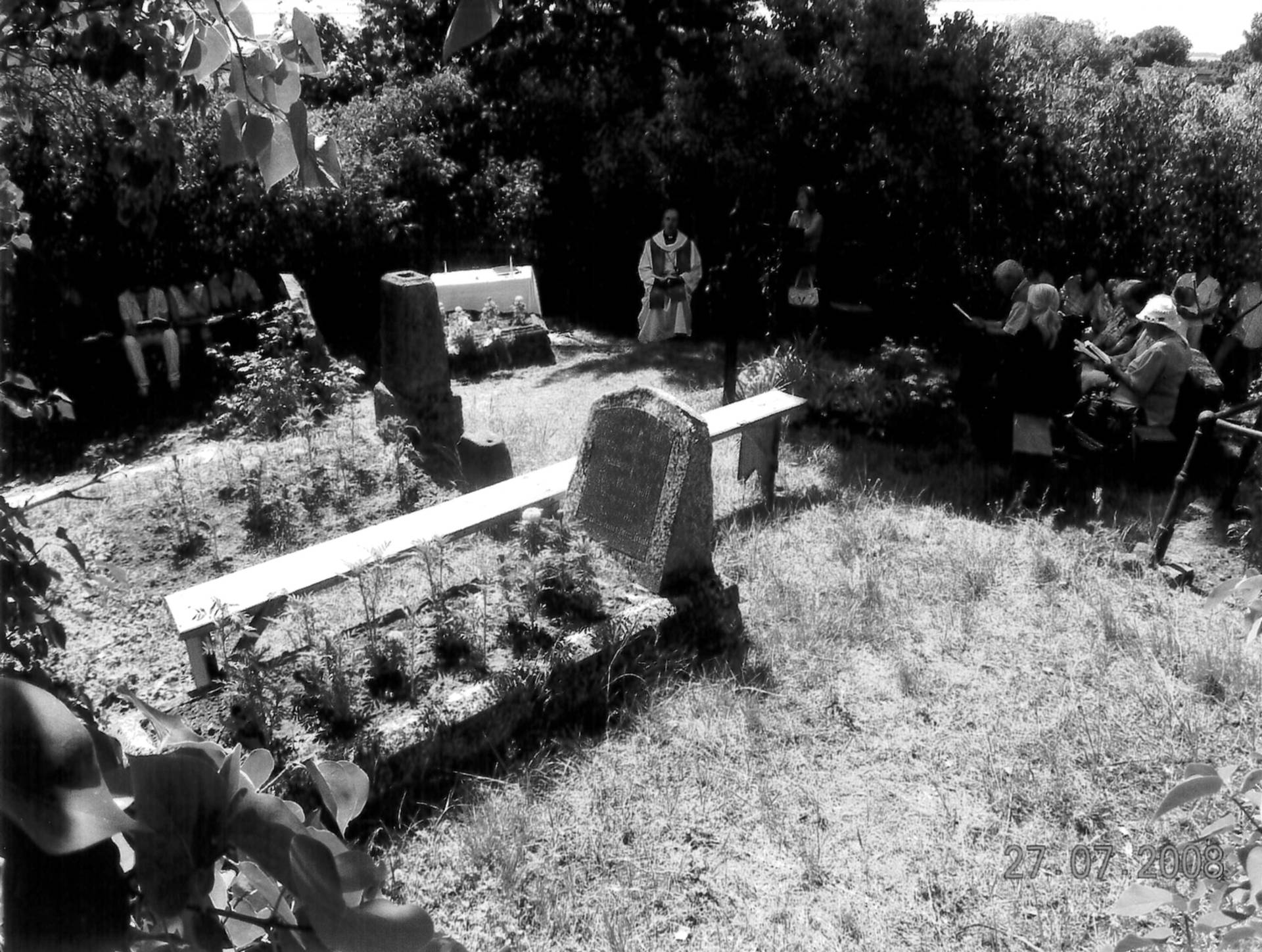
To this day, the tradition of cemetery celebrations has survived in the region—on a specific day in the summer, the faithful gather at the cemetery. Together with the parish priest, they pray, sing, and later socialize over a cup of coffee and a potluck meal. Despite this, many traditional healing practices, beliefs associated with calendar holidays, rituals, spells, incantations, and reverence for the spirits that protect the home have survived…
This spell is meant to ensure that your beloved always returns and remains faithful. You’ll need water from a well and a small object, such as a ribbon. Say: “Just as this water always returns to the well, so may (beloved’s name) always return to me. Just as this ribbon is tied to me, so may (name) never let me go. He must be as faithful as a dog, fire, and earth.”