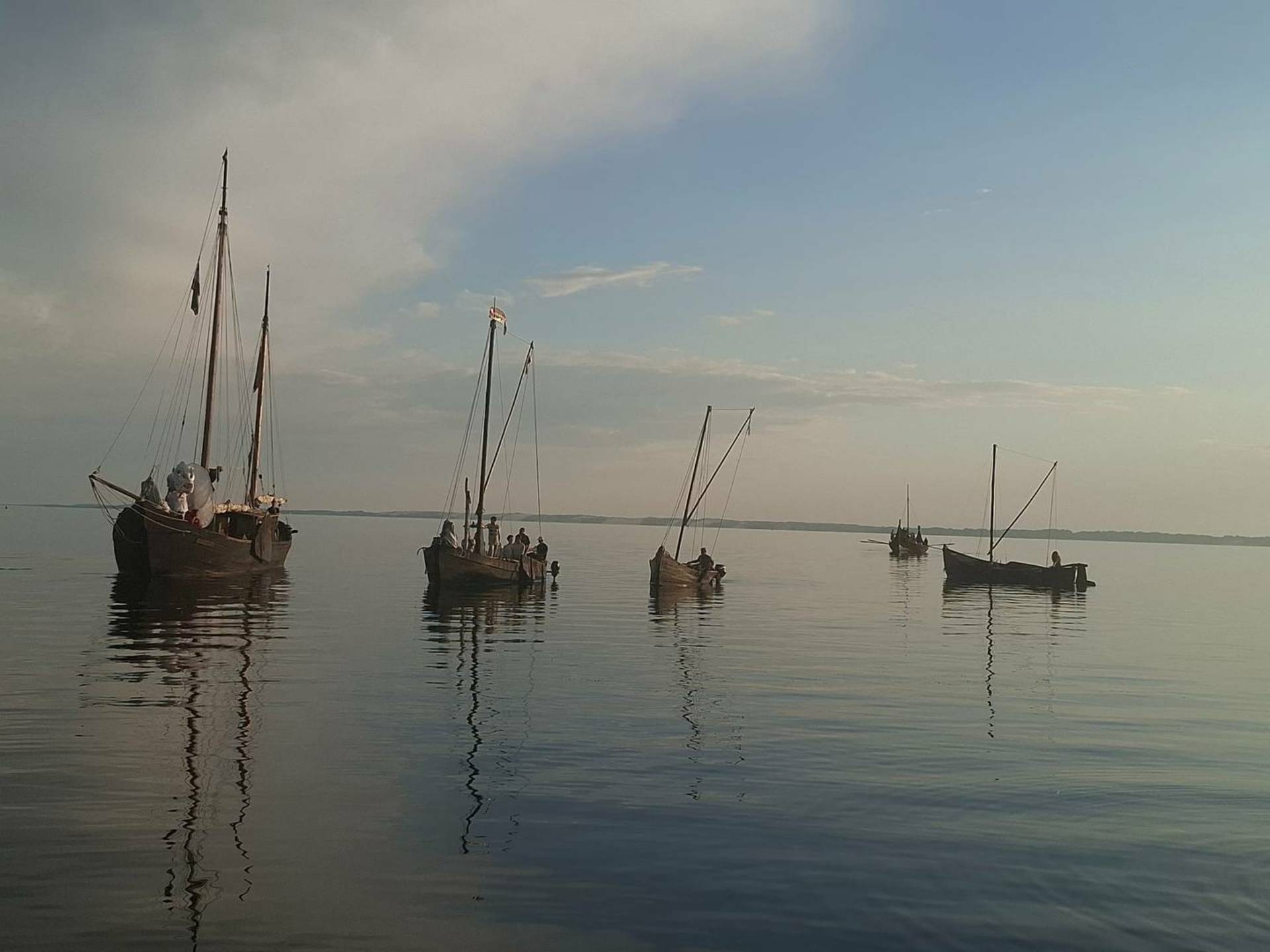
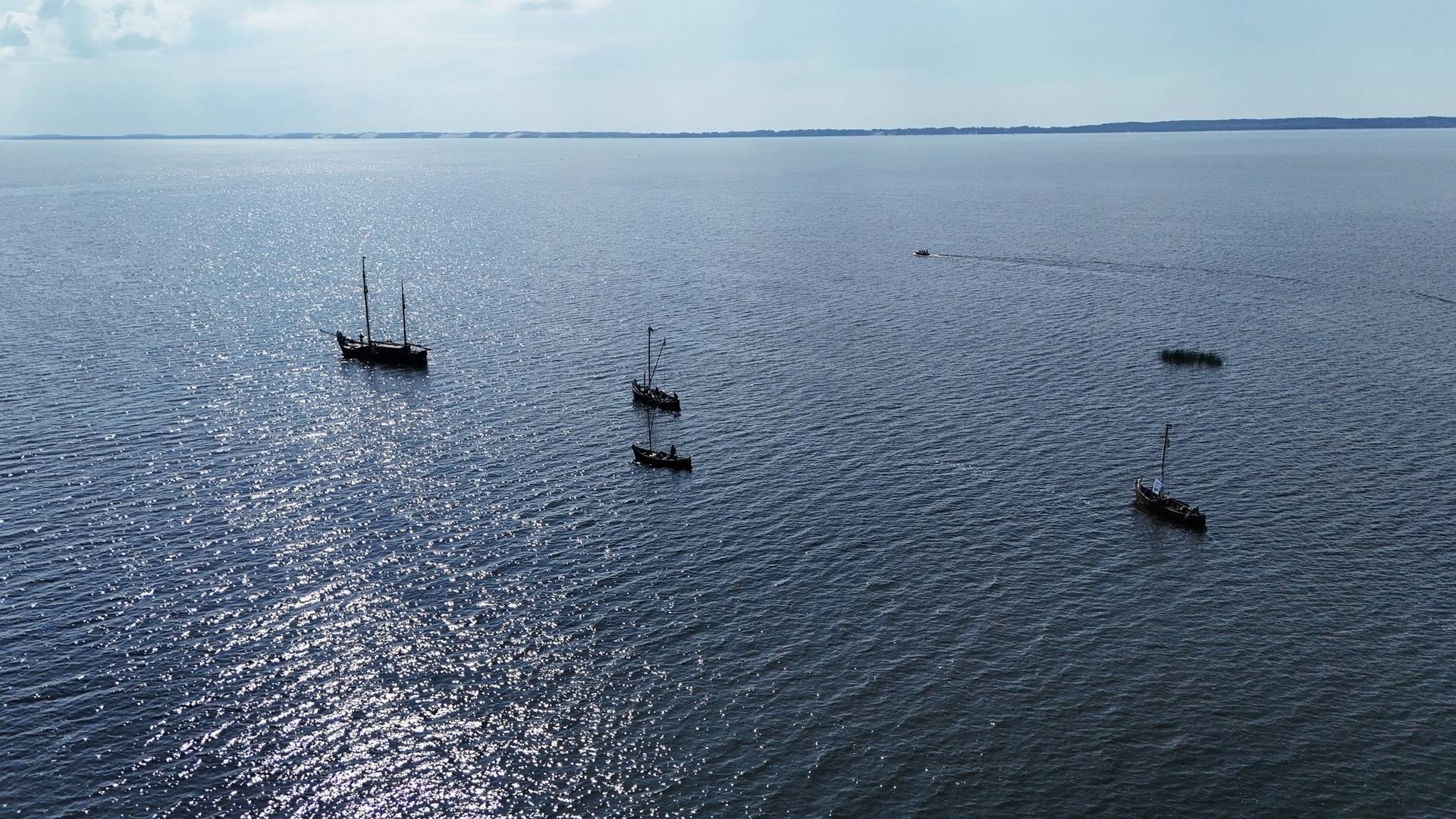
This is a unique region of Lithuania, encompassing the shores of the Curonian Lagoon and the lower reaches of the Nemunas Delta. It is characterized by a distinctive harmony of landscapes: sand dunes (the Curonian Spit), lush fishing villages (Svencelė, Dreverna, Kintai, Ventė), floodplains, and marshes, It is a place where land and water meet, a place that has changed dramatically since the last war—villages, known as “ugniakurai” by the Lithuanians, have disappeared; there are almost no locals, the “šišioniškiai,” left; the old crafts have faded away… yet historical memory remains, along with the distinctive red-brick architecture; the old Kuršvaltė boats are being restored, and the unique fishing culture—symbolized by weather vanes and distinctive traditions—is being kept alive.
Thanks to the confluence of the lagoon and freshwater, the Curonian Spit remains a place rich in fish stocks, while the forests and marshes of the Curonian Spit provide a refuge for rare plant and animal species.
The Curonian Lagoon remains Lithuania’s largest freshwater body (25 times larger than the Kaunas Lagoon and 37 times larger than Lake Drūkšiai, Lithuania’s largest lake).
More than 20 rivers and streams flow into the Curonian Lagoon, formerly known as the Prussian Sea or Kursjanmarė. The lagoon is “fed” primarily by the waters of the Nemunas (formerly known as the Mėmelė): the Rusnė, Skirvytė, and Atmata… Minija, Dangė, Jūra, Drevernos, Klišupis, and other rivers and streams… They raise the lagoon’s water level by an average of 12 cm above that of the Baltic Sea, which makes the lagoon’s water less salty.
In the Curonian Spit, you’ll always encounter winds of exceptional strength, which local fishermen call marinis (west), aulaukis, šakšinis (southwest), launagis (south), staris (with rain), umaras (strong), or simply plendra (no wind).
Today, the Curonian Spit is being developed for active and cultural tourism and recreation—small hotels, vacation cottages, and a network of campgrounds are being built on both sides of the lagoon, and the area is adorned with small architectural features… The sights and sounds of the water and the plants and grasses of the lagoon meadows, along with the songs of waterfowl and shorebirds, continue to delight the eyes and ears of visitors…