
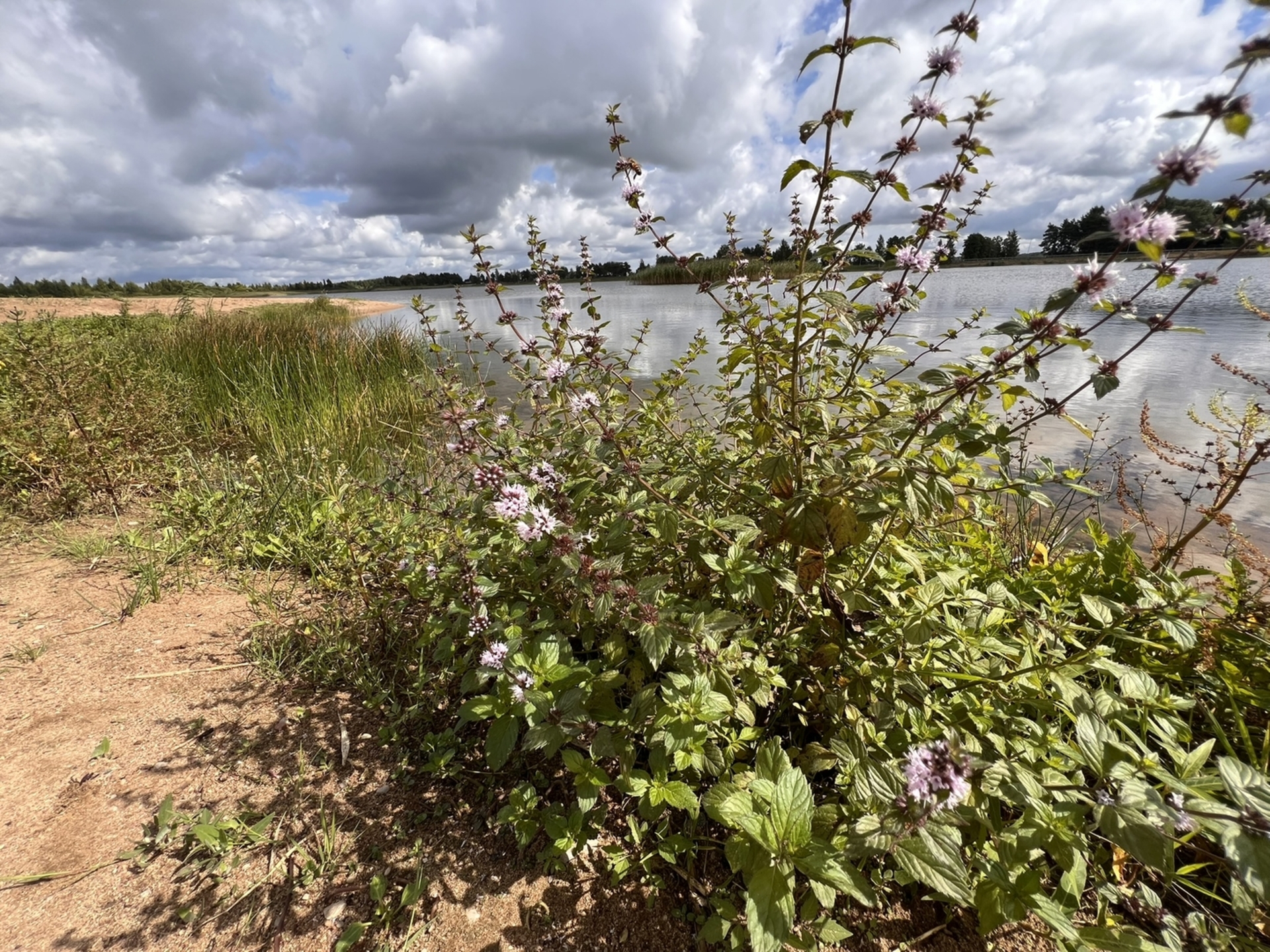
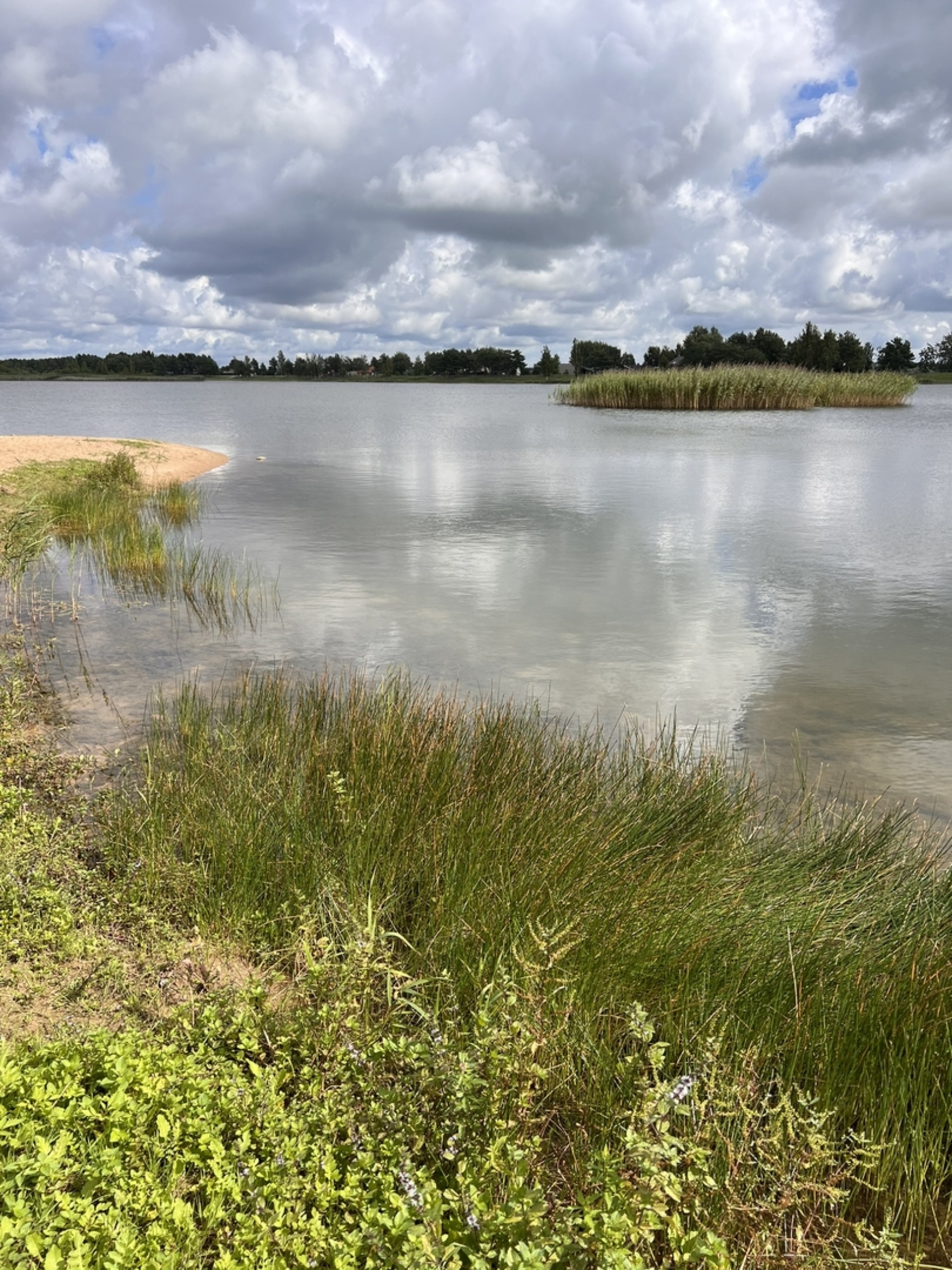
NATURE TRAILS – these are unique educational routes along nature trails in the Klaipėda District, very close to Gargždai, around the Dovilai and Gargždai quarries.
The trail system consists of three loop routes:
- Blue – Dovilai Quarries Trail – 5.5 km
- Yellow – Gargždai Quarries Trail – 2.8 km
- Green – Dovilai Hill Trail – 1.2 km
As you walk along the trails, you’ll enjoy both natural and man-made landscapes, learn interesting facts about the birds, fish, plants, and various ecosystems found here, and discover the history of how this area was formed.
The trails are marked with wooden posts featuring arrows in corresponding colors. On them, you’ll find information about the area and a QR code; by scanning it, you can open a map of the route on your phone.
The trails wind through forest paths, gravel roads, and walking trails, so they can be explored not only on foot but also by bike.
THE KLAIPĖDA DISTRICT TOURISM INFORMATION CENTER RECOMMENDS:
- Follow the signs marking the route.
- Scan the QR code and have the route map on your phone.
- The trails are not suitable for traveling by car.
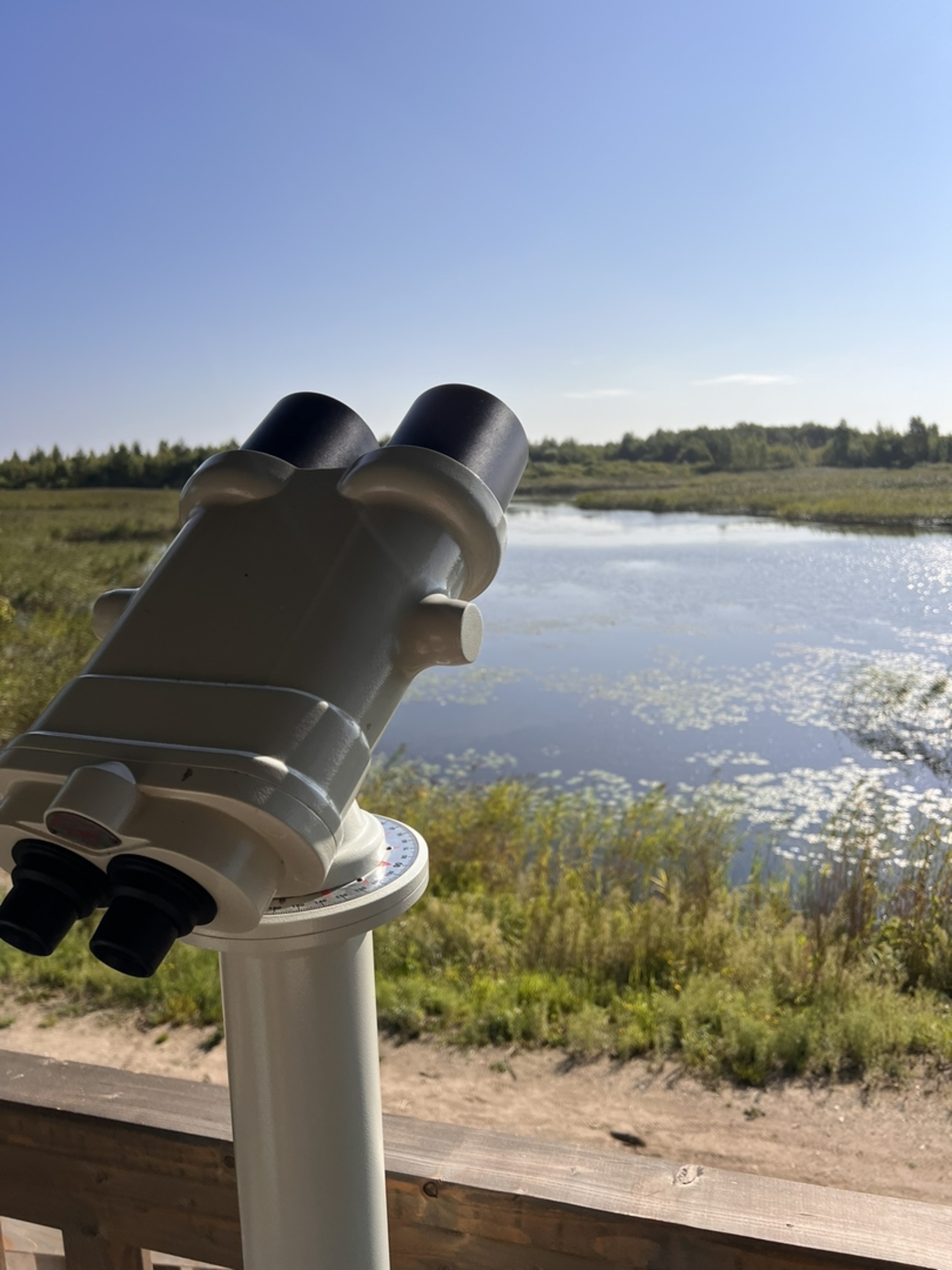
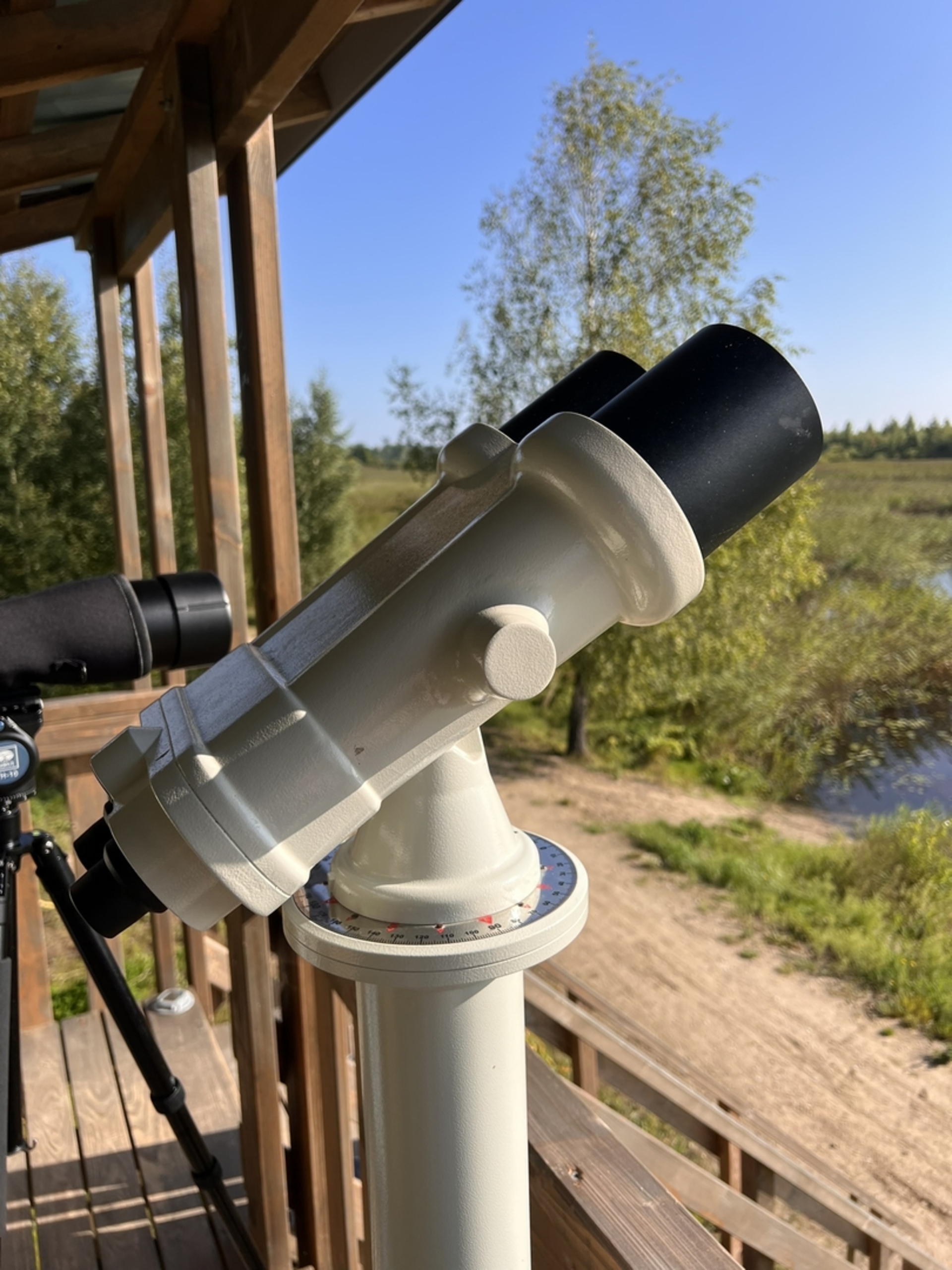
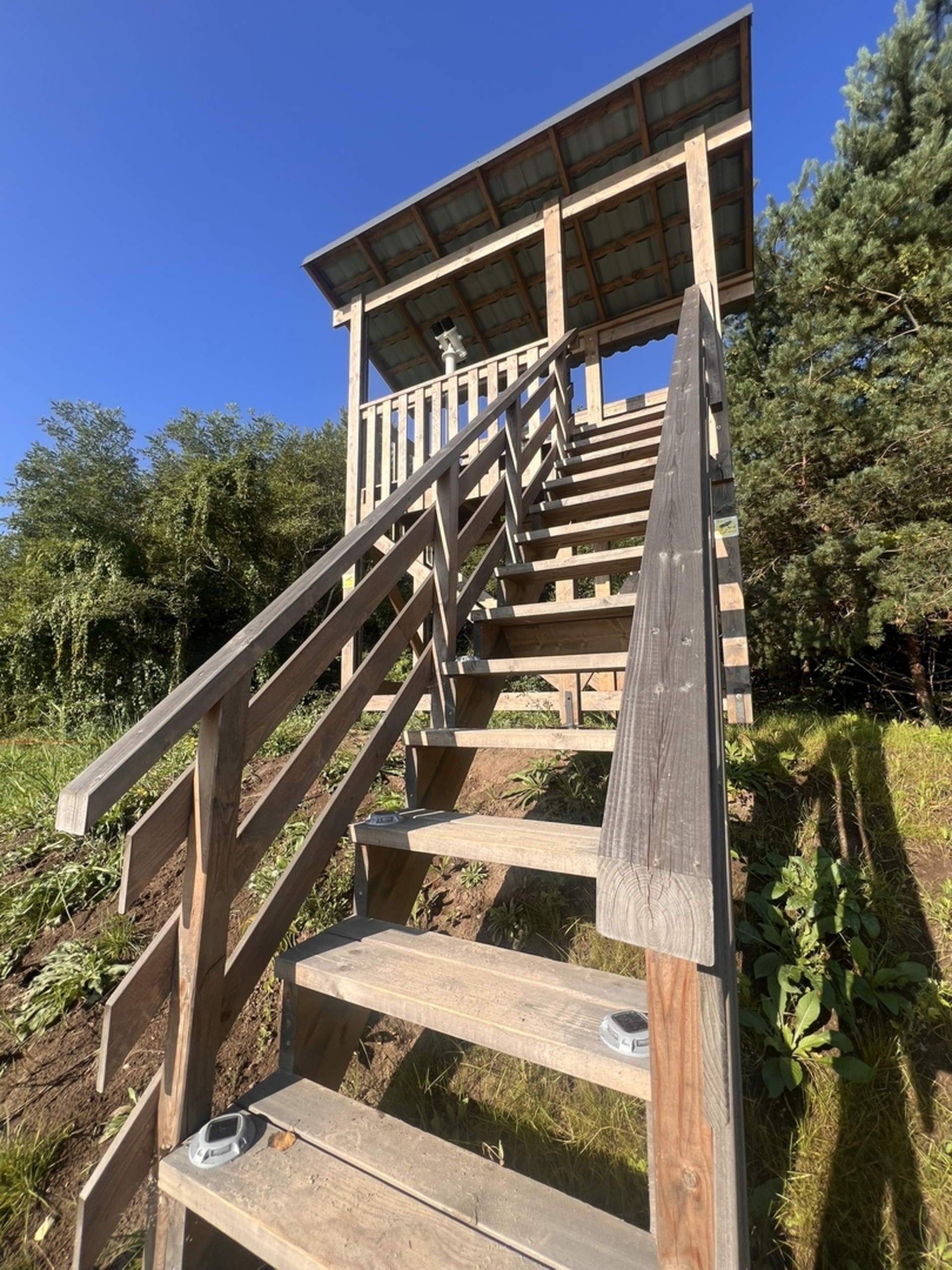
- While walking along the trails, you can observe birds. You can rent binoculars and spotting scopes at the Klaipėda District Tourism Information Center (Kvietinių St. 5-2, Gargždai).
- Please be quiet, do not litter, protect nature, and respect other visitors.
- Wear comfortable shoes for the hike, and bring a hat and water.
BLUE (DOVILAI QUARRY TRAIL)
1. AQUATIC VEGETATION (55.68223, 236844)
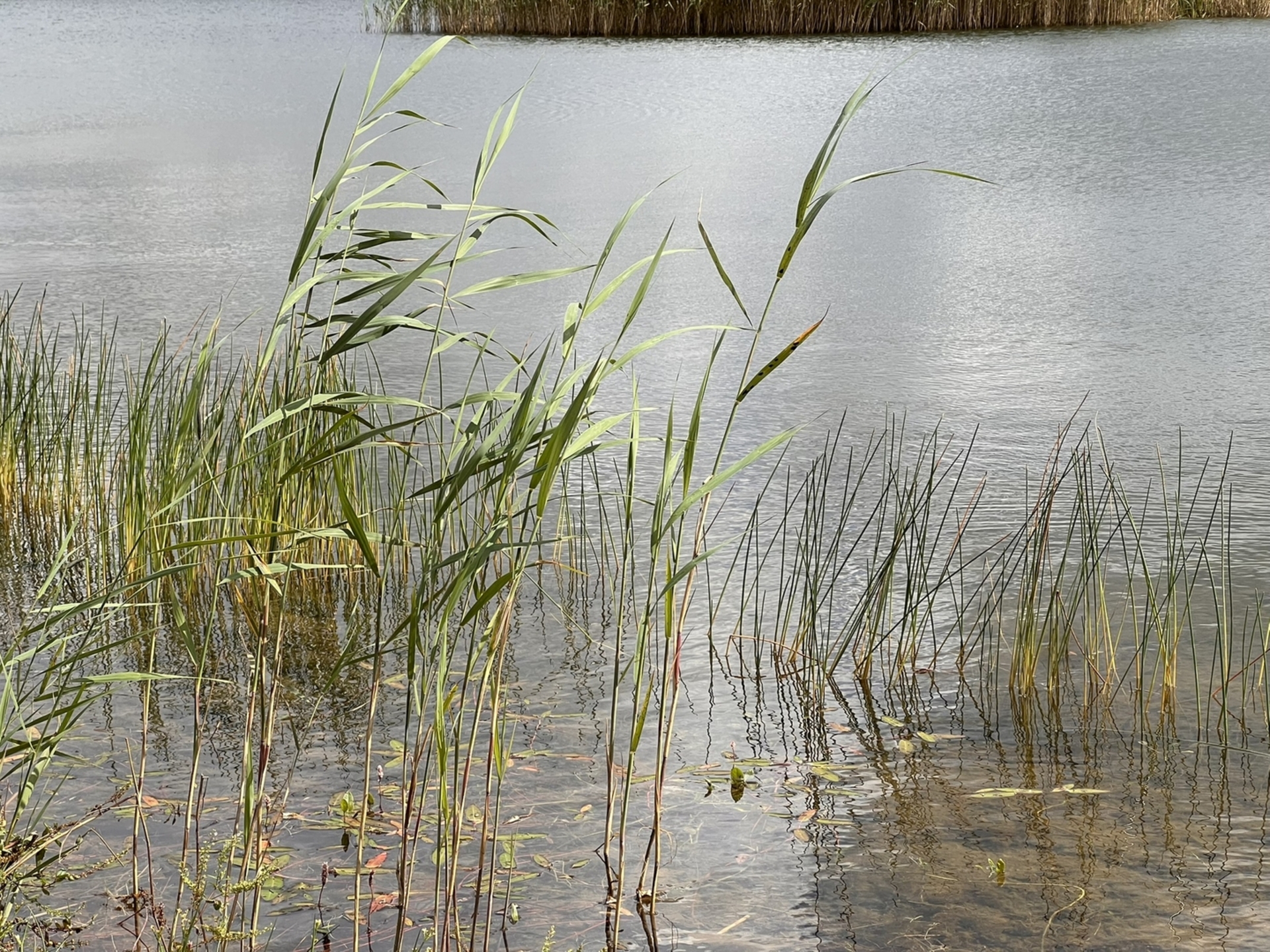
Here you’ll find a veritable treasure trove of medicinal herbs. A variety of aquatic and riparian plants grow along the banks of the quarries and in damp areas. They have adapted to the moisture, and some may seem completely unfamiliar at first glance.
Here you can find common sorrel, water parsnip, water crowfoot, water mint, common water-crowfoot, water speedwell, broad-leaved water-crowfoot, common water-parsnip, water chickweed, slanting water-crowfoot, and marsh marigold.
Some of these plants have long been used in everyday life and for herbal teas. So, as you walk along the trail, take a closer look—perhaps a plant is growing right nearby that our ancestors knew not only as a wild herb but also as a useful plant.
Can you recognize at least a few of them? Look around—maybe some are growing right nearby.
FUN FACT! The riverbanks are home not only to beautiful plants but also to useful ones—some of which are used to make herbal teas. For example, mint has long been valued for its scent and flavor. Water mint gives off a pleasant minty scent, especially when you rub its leaves.
2. BIRDS SPOTTED IN THE QUARRIES (55.68387, 236577)
In the waters of the quarries, you can often spot a coot, a mallard, a tufted duck, or a mute swan. And at first glance, the birds flying above the water may all look the same.
However, “seagull” is not just one species of bird! Red-headed gulls, river terns, and little terns all nest on the islands in the quarries. So the next time you see a bird diving or gliding over the water, take a closer look—you might notice that it’s not the same bird you saw just a moment ago.
The quarry islands provide safe havens for birds to settle and raise their young.
FUN FACT! The common tern is a true traveler! These birds nest in Lithuania, but when fall arrives, they embark on a long journey south. Some common terns travel as far as South Africa—thousands of kilometers from their summer homes! A small bird—a huge journey.
3. FISH OF THE QUARRIES (55.68417, 236446)
This is a fisherman’s paradise! The Gargždai and Dovilai quarries are home to various species of fish—pike, perch, catfish, carp, tench, crucian carp, silver carp, roach, and rudd.
Predatory pike and perch hunt for prey here, while other fish species feed on small aquatic animals, plants, or other food sources.
FUN FACT! The pike is a true ambush hunter. It lies in wait for its prey and, when the moment is right, strikes with lightning speed. This predator can grow up to 1.5 m in length!
4. DOVILAI QUARRIERS (55.68538, 236498)
Today, the Dovilai Quarries are a rapidly developing recreational area! It’s a popular spot for swimming, walking, fishing, and active leisure. The area features recreational facilities and children’s play areas, and on warm summer days, the bodies of water become a real draw. Anglers fish at the quarries year-round.
However, water hasn’t always pooled here. The older residents of the town of Dovilai remember this particularly well—back then, this place looked completely different. The quarries were formed by the extraction of gravel, and later these pits filled with water. Thus, the landscape, once shaped by industry, gradually transformed into a place where people and nature come together today.
FUN FACT! Gravel was once mined at the site of the Dovilai quarries. Today, the area is filled with water, vegetation grows here, recreational spaces have been created, and people gather to enjoy nature. The landscape has changed dramatically—the former gravel quarry has become a recreational area.
5. BIRDS OF THE REED BEDS (55.6862, 236534)
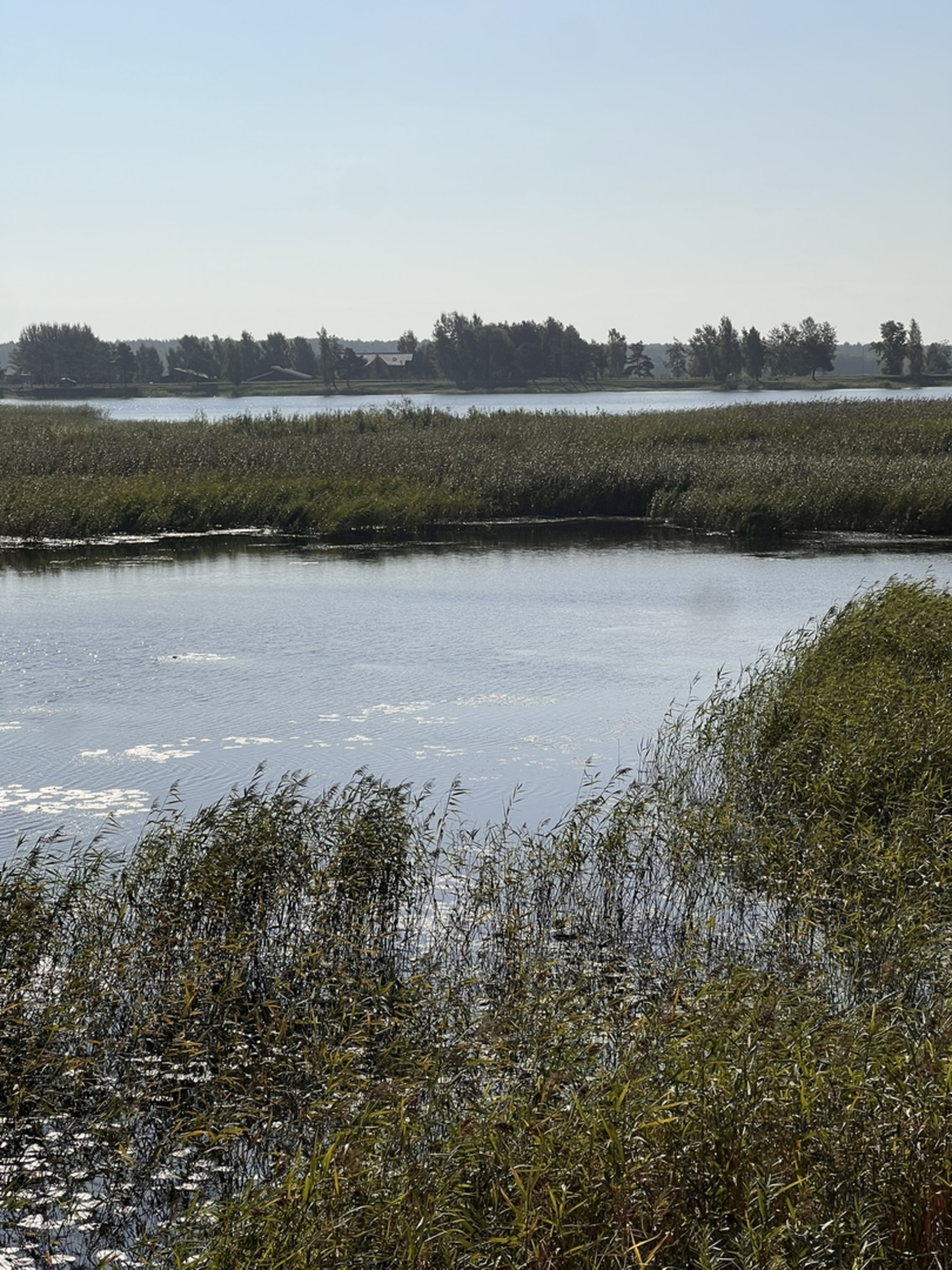
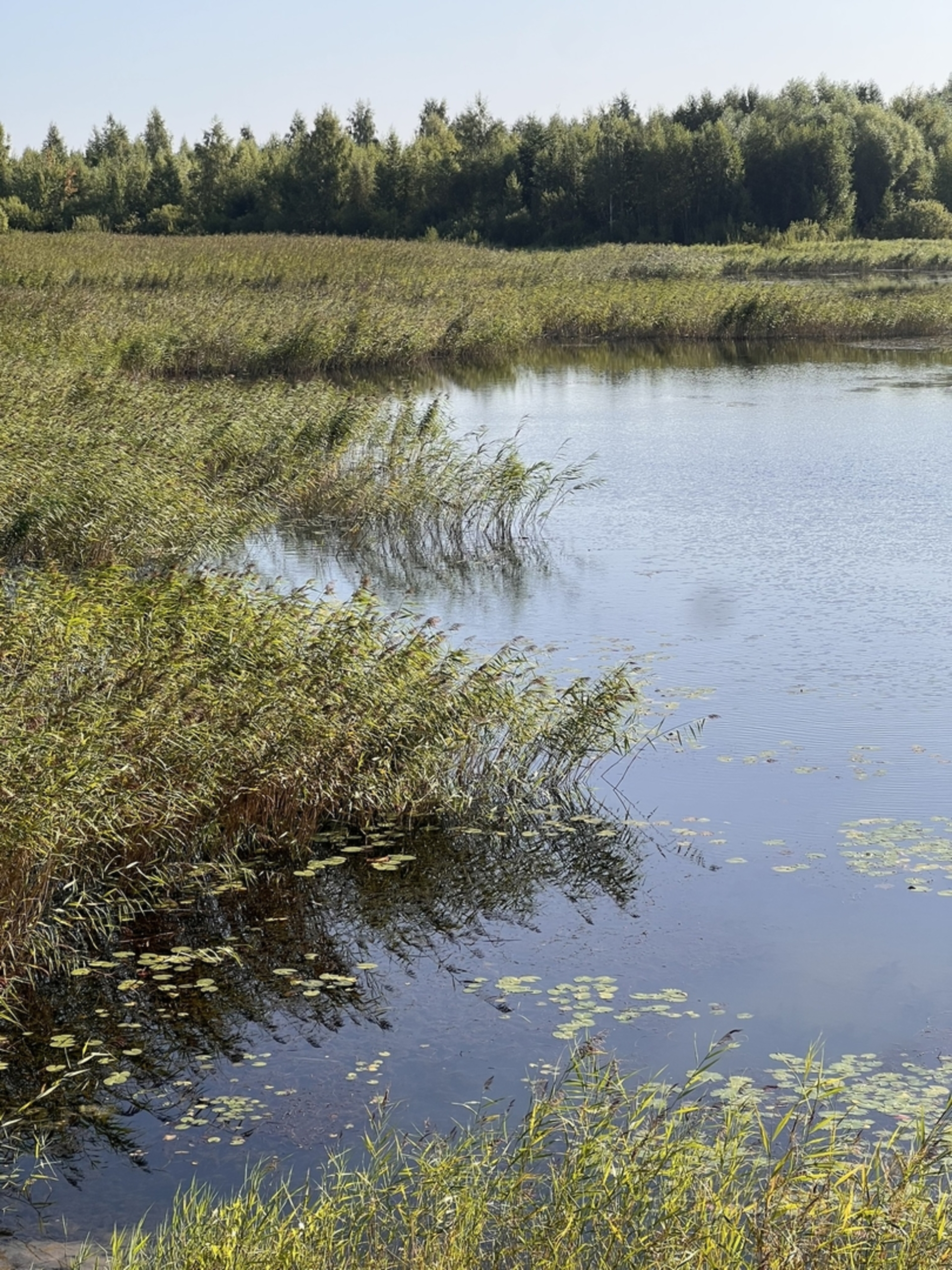
Countless birds hide among the reeds at the edges of the quarries. Here you can spot the reed warbler, the marsh warbler, the great and little bitterns, the reed bunting, and the reed partridge. Gray herons have also been spotted in the vicinity of the quarries.
However, the most interesting inhabitants of the reed beds are true masters of camouflage. It’s very difficult to spot the great bittern and the little bittern, as they blend in perfectly with their surroundings. That’s why it’s much easier to hear their calls!
On evenings from May through July, it’s worth pausing for a moment, quieting your mind, and listening. Perhaps you’ll hear the great bittern’s “hoot,” which sounds like blowing into the neck of a bottle, or the little bittern’s call, which resembles a dog’s bark. Both of these mysterious birds are listed in Lithuania’s Red Book.
FUN FACT! In the quarries, birds don’t just chirp—they also hoot and bark! The great bittern is a true master of the reeds. When startled, it freezes, stretches its neck and beak upward, and becomes almost invisible among the reeds. It is precisely because of this camouflage that it is much harder to see than to hear.
6. WETLAND ECOSYSTEM (55.68722, 236509)
At the edges of the Dovilai quarries, water and land merge to form a unique natural world. The northern and northeastern banks of the quarries are low-lying and marshy in places, teeming with moisture-loving plants, reed beds, and thickets. A unique habitat has formed here, providing a refuge for a variety of plants and animals.
Wetlands play a much greater role in nature than might appear at first glance. They help retain water, support biodiversity, and serve as a home for countless organisms. It is precisely in such places that you can spot various waterfowl and reed-dwelling birds.
FUN FACT! The waterlogged banks of quarries are a true haven for life. The vegetation growing here provides food and shelter for insects, birds, and other animals. And reed beds become an especially important habitat for waterbirds—there, you can hear the great bittern and the little bittern, both of which are listed in Lithuania’s Red Book.
7. NATŪRALIAI SUSIFORMAVUSI EKOSISTEMA (55.69001, 236522)
Although human activity has altered the landscape of the quarries, nature has eventually reclaimed the area. A natural ecosystem has formed around bodies of water and in more open areas—ranging from meadow grasses to shrubs and trees.
Here you can find sea buckthorn, wild parsnips, nightshades, carrots, thistles, St. John’s wort, cattails, burdocks, clover, sorrel, blackberries, vetch, and other plants.
Some of them are well known, while others are often overlooked. So stop for a moment and look around—how many different plants can you discover in one place?
Important: Some wild plants are poisonous. For example, the hogweed is highly toxic. Do not taste or pick wild plants unless you are certain what they are.
FUN FACT! You can even find wild carrots here! They are the ancestral form of the common carrot. Although their roots are edible, wild carrots are much smaller and different from the garden carrots we’re used to.
8. SEA BUCKTHORN (55.69072, 237027)
It’s a treasure trove of vitamins. The sea buckthorn, adorned with bright orange berries, is one of the most easily recognizable shrubs. Its berries are rich in vitamin C, as well as vitamins E and K, carotenoids, and other biologically active compounds.
Sea buckthorn berries are used to make juices, syrups, jams, and other products, while the seeds and fruit pulp are pressed to produce valuable sea buckthorn oil. The leaves can also be used to make herbal teas.
Sea buckthorn is interesting not only for its berries. Microorganisms living in its root nodules fix atmospheric nitrogen, allowing this shrub to grow even in poorer soil. Because of this property, it is also used to reforest degraded areas.
Sea buckthorn has long been used in traditional medicine in Tibet, China, and other parts of Asia—to aid digestion, treat coughs, and care for skin lesions and wounds.
FUN FACT! The sea buckthorn is a true “hard worker” of nature: it nourishes people and enriches the soil. Its orange berries aren’t just bright—100 grams of sea buckthorn berries can contain more vitamin C than most citrus fruits.
9. INDUSTRY IN GARGŽDAI (55.69491, 2375)
Looking at today’s quarries, it is hard to imagine that their history is linked to the industrial development of Gargždai. The nearby Gargždai brick factory began operations when the Lithuanian-Russian joint-stock company “Silmega” was registered. The company later changed its name and legal form several times before becoming UAB “Gargždai Brick Factory.”
The factory’s operations are closely tied to the area’s underground resources—the company was also involved in quarrying. The extraction of sand and gravel transformed the landscape, and in some of the excavated areas, bodies of water later formed.
In this way, industry has left its mark on the landscape—places where resources were once extracted have today become a world of water, flora, and fauna, as well as recreational spaces for people.
FUN FACT! A quarry is not just a large excavated pit. Once the extraction of minerals has ended, an entirely new landscape can form in such places: bodies of water may appear, the shores may become overgrown, and various plants and animals may settle there. What we see today as nature is sometimes also a legacy of human activity.
10. OLD CEMETERY (55.69703, 237601)
The landscape of the Gargždai and Dovilai quarries conceals traces not only of nature but also of local history. The old Kuršlaukis and Dovilai cemeteries have survived within the current quarry area and its surroundings.
The old Kuršlaukis Cemetery bears witness to the people who once lived here and to a time when this landscape was entirely different—long before the quarries were established. On the cemetery hill, traces of old burials, crosses, and headstones remain. Today, this place is surrounded by a transformed landscape, yet the cemeteries remain an important symbol of local memory.
They serve as a reminder that the current quarries are not merely natural areas—the older history of this region lies hidden beneath and around them.
FUN FACT! Did you know that the landscape in these areas has changed more than once? Where we now see bodies of water and quarry slopes, there used to be villages, fields, and ancient settlements. That’s why the surviving cemeteries are like little islands of history in the modern landscape—they help us remember the people and the life that existed here even before the quarries were created.
11. NARROW-GAUGE RAILROAD (55.69793, 237854)
It’s hard to believe, but the area where the Gargždai and Dovilai quarries are located today was once crisscrossed by railroad tracks. On October 22, 1906, a narrow-gauge railroad line began operating here, connecting Klaipėda with Dovilai, Laugaliai, and Pėžaičiai. The narrow-gauge railway was important not only for freight but also for people—it provided access to the surrounding towns and villages.
In Dovilai, the railway split into two branches: one led toward Pėžaičiai, the other toward Laugaliai. Today, part of the former railway route has changed beyond recognition—where a little train once rumbled, quarry water now pools.
The narrow-gauge railway operated until the end of World War II, after which its tracks were dismantled. However, some traces of it remain to this day—for example, in Dovilai, you can see a restored narrow-gauge railroad bridge.
FUN FACT! In the history of this landscape, the train and the quarry crossed paths indirectly. The narrow-gauge tracks were laid here as early as 1906, while the quarries near Gargždai weren’t started until 1961. This means that the train ran through this landscape long before the current quarries were established.
12. VARIETY OF DECIDUOUS PLANTS (55.69732, 238294)
The shores of the quarries and their surroundings are home to more than just grasses and herbaceous plants. Here, you can find a variety of trees, shrubs, and vines. The willows are particularly notable inhabitants of this area.
As many as five different species of willow grow here: the gray willow, the marsh willow, the white willow, the riparian willow, and the goat willow. Each is slightly different—varying in leaves, branches, habitat, and form.
Among the woody plants here, you can also find aspen, sedge, common blackberry, and grapevine.
FUN FACT! Did you know that all the willows growing here belong to the same genus but can look completely different? Willows particularly love damp places, so the shores of quarries are a perfect habitat for them. And their flowers, called catkins, are visited in large numbers by bees and other insects in the spring.
Try to see how many different types of willows you can spot as you walk along the trail!
13. GARGŽDAI FC „BANGA“ (55.69444, 238381)
It’s impossible to imagine Gargždai without football. The history of “Banga” began in 1966, when a football team was formed at what was then the Gargždai Building Materials Combine. Over the course of more than half a century, the club has become an integral part of Gargždai’s sports scene and community.
“Banga” has played in Lithuania’s top football league on numerous occasions, and many talented players have launched their careers with the club. In 2024, the club achieved a historic victory—winning the LFF Cup for the first time after defeating “Hegelmann” from the Kaunas district in a penalty shootout in the final.
Today, a new chapter in Banga’s history is being written right here, next to the quarries. In 2026, “Banga Camp” opened—a modern soccer camp featuring three full-size natural grass fields, along with accommodation and training facilities. The formerly abandoned quarry area has become a new space for sports, youth, and the football community.
FUN FACT! “Banga” has not only nurtured generations of football players but has also become part of Gargždai’s identity. And now, “Banga Camp,” growing right next to the quarries, allows this story to continue—here, football training sessions can be held for children, youth, professionals, and international teams.
14. A NATURAL BLOOMING MEADOW (55.69277, 238794)
Take a closer look—this isn’t just grass, but a living, ever-changing meadow. A wide variety of plants grow here, each blooming at different times, producing seeds, and providing food and shelter for insects.
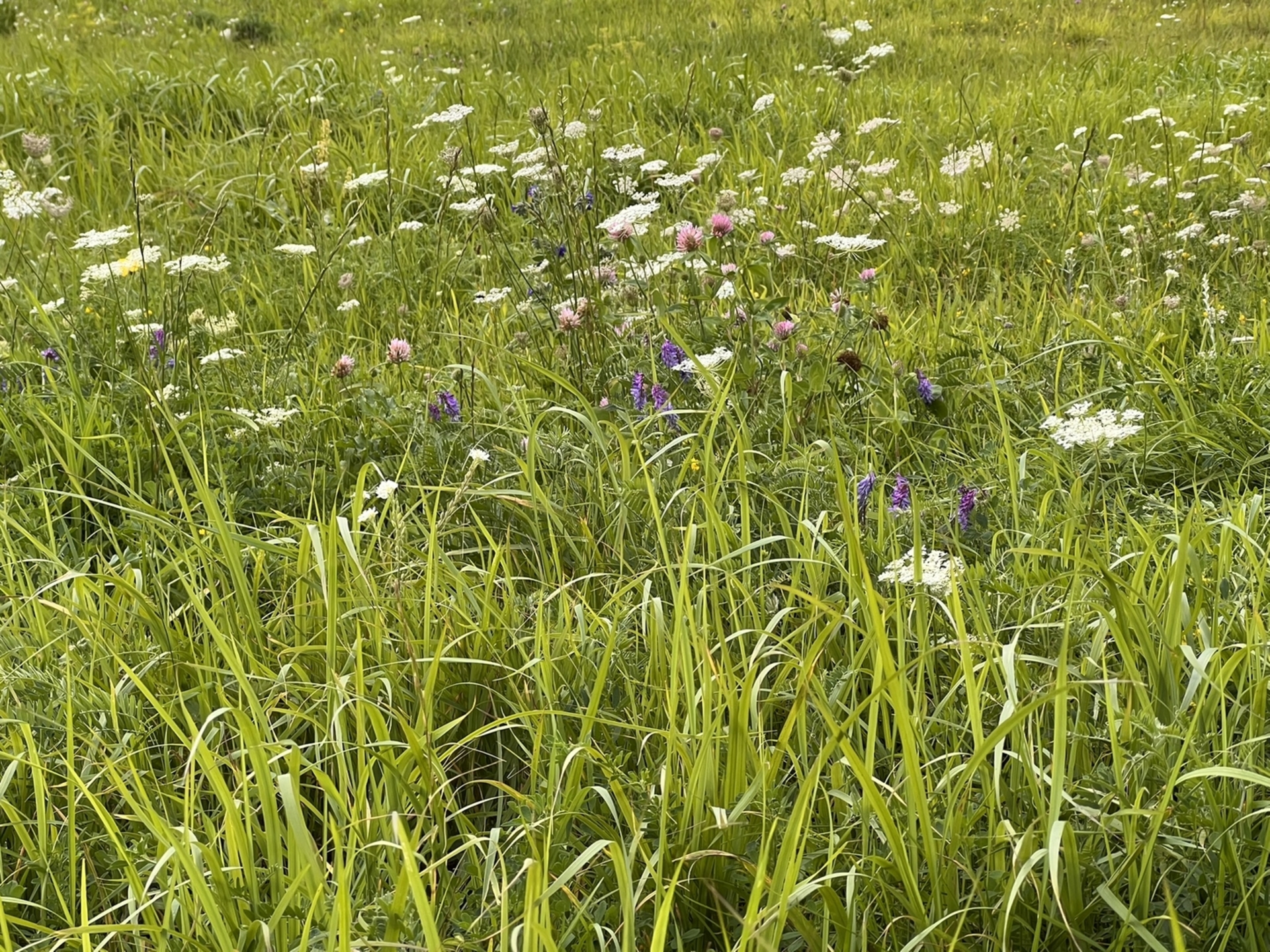
In this meadow, you can find edible sorrel, yellow-flowered alfalfa, common ragwort, blue-flowered vetch, field bindweed, common ragweed, common carrot, yarrow, clover, evening primrose, night-blooming catchfly, medicinal bedstraw, and other plants.
The variety of meadow plants depends on the time of year—at one time, yellow flowers dominate here; at another, blue, white, or pink ones. That’s why the same spot can look different every time you visit.
FUN FACT! A blooming meadow is a veritable restaurant for insects! Bees, bumblebees, butterflies, and other insects search for food in the flowers here, and in turn, they help pollinate the plants.
Try counting how many different flowers you can find in the meadow. You might be surprised at how many fit into just a few square meters!
15. MIGRATORY BIRDS (55.68416, 237648)
Quarries are interesting not only in the summer. In the spring and fall, during bird migration, you can observe birds arriving from distant lands and continuing their journey.
Tufted ducks, teals, great and little bitterns, and other waterfowl stop to rest in the bodies of water and along their shores. Sometimes you can even spot larger flocks of migrating birds here.
So if you’re walking this trail in the spring or fall, it’s worth bringing binoculars and a little patience—you might spot a passing feathered visitor along the quarry’s shore.
FUN FACT! The reed warbler is a true “seamstress” of the bird world! Living on the edges of quarries, the reed warbler weaves an unusual, enclosed nest from plant fibers and down. It resembles a small, soft pouch with a tube-shaped entrance and is often hung on the branches of thin trees or shrubs near the water. Spotting such a nest is a real stroke of luck, so keep your eyes peeled as you walk past the reed beds!
16. DOVILAI (55.68078, 237108)
Right next to the quarries lies Dovilai. It is a small town where traces of the history and culture of Lithuania Minor are still alive today. Situated on the right bank of the Minija River, Dovilai has long been associated with Evangelical Lutheran traditions and the culture of the Lithuanian minority.
In the center of town stands an Evangelical Lutheran church consecrated in 1862—one of the most prominent landmarks in Dovilai’s history. The parish was established here in 1854, and the local community cherished the Lithuanian language, customs, and traditions.
The old narrow-gauge railway also bears witness to Dovilai’s history. Before World War II, the town had a narrow-gauge railway station that connected Dovilai with other settlements in the Klaipėda region.
Today, the Klaipėda District Center for Ethnic Culture shapes cultural life in Dovilai. Here, traditions are nurtured, and educational programs, events, and cultural activities are organized.
FUN FACT! The name “Dovilai” has a history dating back more than 200 years. It is believed that the place name “Dovilai” derives from the personal name “Dovilas”—perhaps the surname of the first family to settle here.
YELLOW (GARGŽDAI QUARRY TRAIL)
1. GARGŽDŲ (TRANSPARENT) QUARRY (55.69524, 237429)
Have you ever wondered where these quarry lakes came from? Quarries are landscapes altered by human activity. Gravel and sand were once extracted here, and the hollows left behind after the natural resources had been dug out eventually filled with water. This is how these bodies of water came into being, in which a world of plants and animals gradually began to develop.
The Gargždai quarry, also known as the Skaidrus quarry, is no exception. It was formed after the gravel reserves had been exhausted and the area subsequently filled with water. Today, it is home to a body of water covering an area of around 34.5 hectares, its shores lined with trees and shrubs. A small island of 0.19 hectares can also be seen within the quarry.
The quarry has become not only a habitat for wildlife but also a favourite spot for people. In summer, people come here to cool off in the water, whilst anglers can be found here all year round.
FUN FACT! The body of water we see today is a relatively recent addition to the landscape. The site was once used to extract materials that we now use every day without even realising it – gravel and sand. Nature, having filled the quarry with water, has over time transformed this man-made site into a new habitat. From a quarry to a body of water resembling a lake – this is how both humans and nature can change the landscape.
2. THE HISTORICAL DEVELOPMENT OF THE GARGŽDA QUARRY AREA (55.69682, 236261)
Today, quarries lie here, but in the past this landscape looked quite different.
Archaeological research shows that the area now occupied by the Gargždai quarries was part of the territory inhabited by the Curonians in the 13th century.
In the 13th–14th centuries, these lands found themselves caught up in the turbulent conflicts between the Grand Duchy of Lithuania and the Teutonic Order. Due to constant military campaigns in the border region, there were few settlements, and the landscape remained sparsely populated.
Following the Battle of Grunwald and the Treaty of Melno, signed in 1422, greater peace prevailed in the region. Settlements began to emerge and grow, including Dovilai, Kūliai, Kuršlaukiai and Baltrumai.
Today, walking along the Nature Trails, it is hard to imagine that beneath your feet lies a land where, centuries ago, tribes, states and borders shifted.
FUN FACT! Did you know that this area was once the land of the Curonians? The Curonians were a Baltic tribe who lived on the coast of what is now Lithuania and Latvia. Their former homeland is recalled today not only by archaeological finds, but also by surviving place names. Perhaps, whilst walking along this trail, it is worth looking at the landscape in a different light – not just what is here and now, but also what was here hundreds of years ago.
3. PARSNIPS (55.6902, 23625)
In summer, the yellowish inflorescences of wild parsnip can be spotted from a distance in meadows and on roadsides. It is a plant of the Apiaceae family, closely related to a vegetable we know well – the parsnip.
Wild parsnip is not quite an innocent plant. Cultivated parsnip has long been grown for its nutritious root, but it is best to keep your distance from wild parsnip. Its sap contains furanocoumarins – substances which, when they come into contact with the skin and are exposed to the sun, can cause an unpleasant reaction: redness, blisters or skin lesions resembling sunburn. You should be particularly careful with the plant whilst it is in flower.
FUN FACT! Wild parsnip can ‘burn’ your skin without any heat at all! Its sap isn’t a burn in itself, but when its compounds come into contact with the skin and are exposed to the sun’s ultraviolet rays, they can trigger a photochemical reaction. So if you spot a beautiful parsnip inflorescence in a meadow – admire it, but don’t touch it with your hands!
Reviews